For companies asking how to reduce carbon footprint of cold chain shipping packaging, the answer is not simply to replace plastic with paper or choose a refrigerant described as eco-friendly. A lower-impact packout must still protect the product, work consistently on the fulfillment line and perform across the intended shipping lane.
The strongest strategy treats the box, liner, refrigerant, payload, pack placement, inbound supply chain and end-of-life pathway as one system. A change that causes temperature excursions, damaged goods or reshipments can erase expected environmental gains. The U.S. Environmental Protection Agency reports that more than 85% of the greenhouse gas emissions associated with food that is ultimately landfilled occur before disposal, including production, transportation, processing and distribution. Review the EPA’s food-loss and waste guidance.
Begin With the Required Thermal Performance
Before changing materials or suppliers, define what the packaging system must accomplish. Document the product’s acceptable temperature range, sensitivity to freezing or heat, transit time, delay allowance, seasonal ambient conditions, payload range and staging time.
In the United States, the FDA’s sanitary transportation rule is intended to prevent food-safety risks such as inadequate refrigeration. Equipment used for food requiring temperature control for safety must provide adequate temperature control. In Canada, CFIA preventive-control guidance says conveyances must maintain conditions appropriate for the food, giving examples of 0°C to 4°C (32°F to 39°F) for refrigerated food and −18°C (0°F) or below for frozen food. Exact limits still depend on the product and applicable requirements.
How to Reduce Carbon Footprint of Cold Chain Shipping Packaging
1. Source Packaging Locally and Complete It Near the Point of Use
One opportunity is to reconsider where packaging reaches its final form.
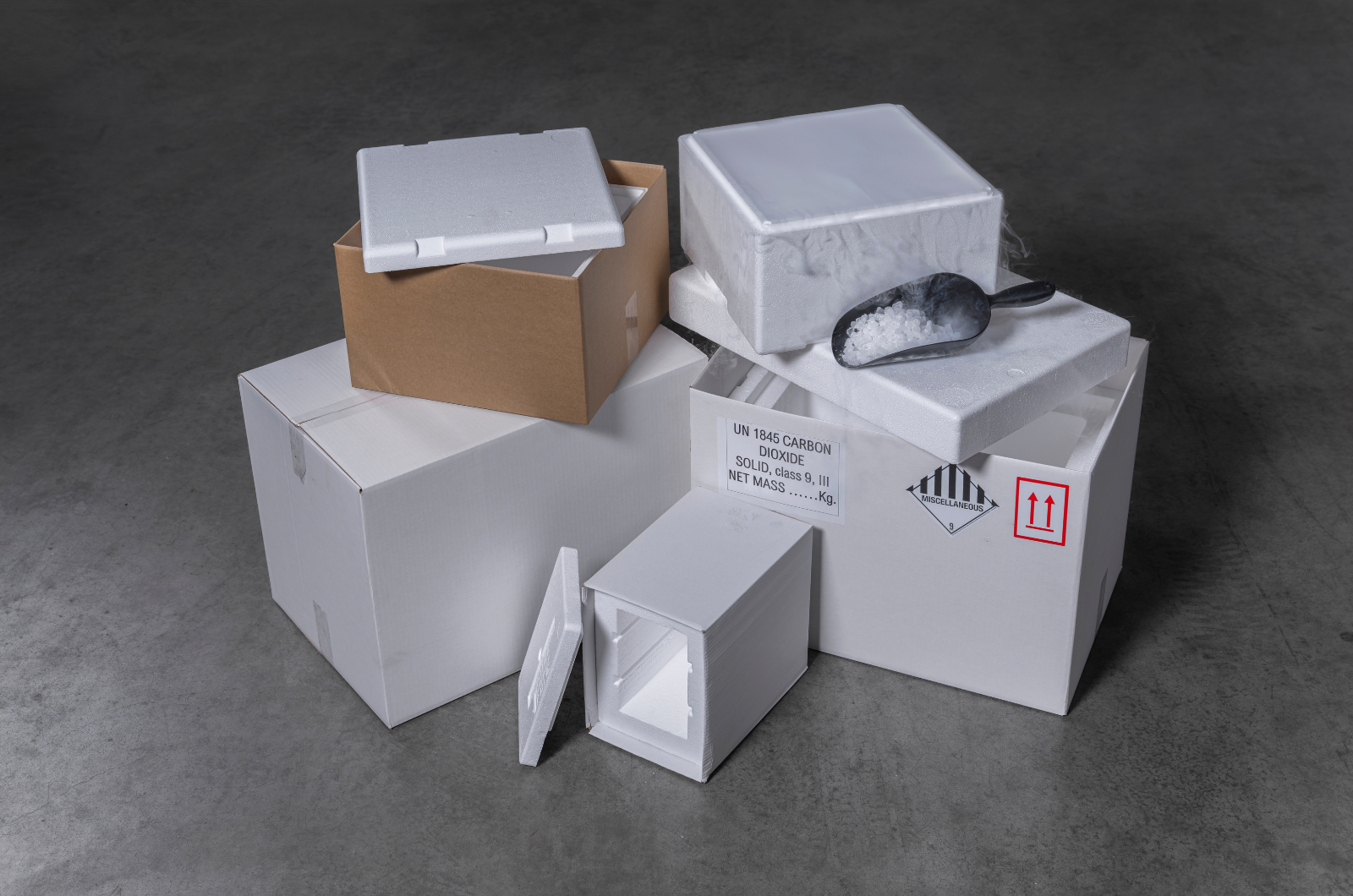
Some packaging is inefficient to transport after it has been assembled, expanded, hydrated, filled or frozen. Rigid insulated containers contain empty volume, while finished frozen cold packs are heavy and may require temperature-controlled transportation and storage.
Where practical, businesses can source packaging closer to the fulfillment center or transport compact inputs and complete them near the packing line. Cold-chain examples include:
- IPC’s PopupLiner, which uses vacuum-compressed insulation panels that ship flat and expand after opening
- Coldkeepers’ insulated box liners, which store and ship flat for temperature-controlled shipments
- Techni Ice refrigerant sheets, which are transported as flat sheets and hydrated before freezing and use
These products illustrate a broader principle: transport materials compactly and add volume or weight closer to where they are consumed. The result still depends on material production, freight mode, equipment energy, waste and packaging performance.
Produce Frozen Cold Packs at the Fulfillment Center
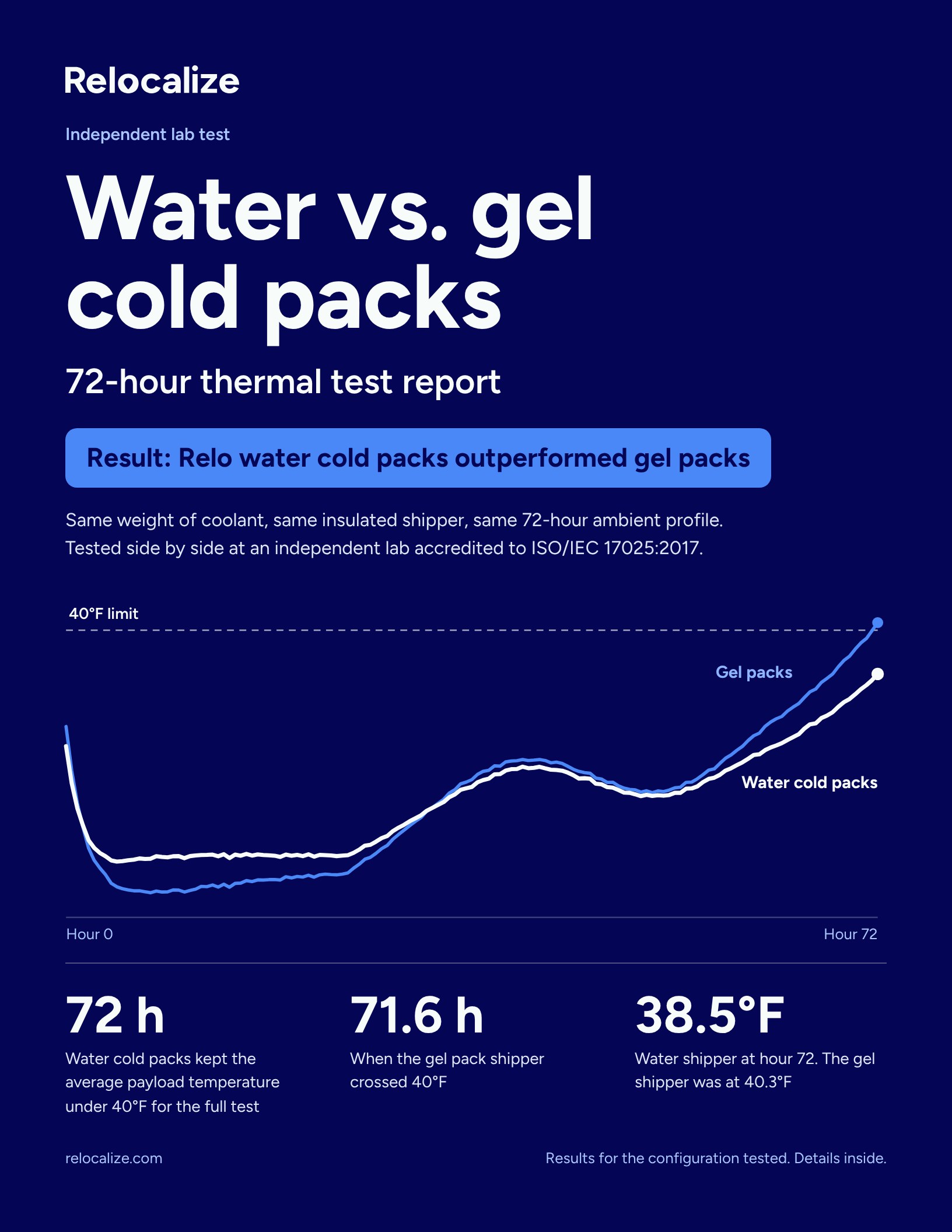
Relocalize applies this principle to water-based cold packs.
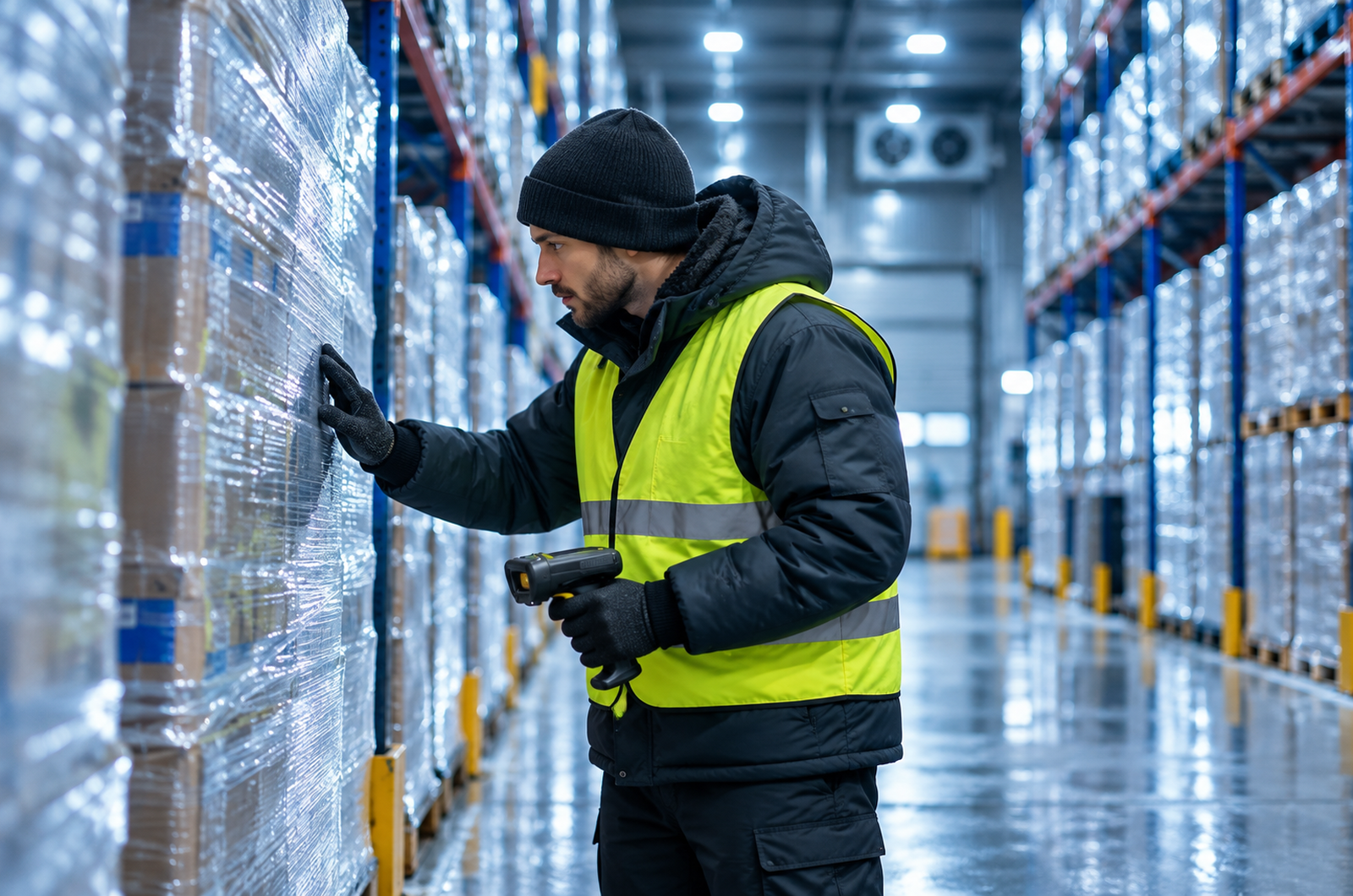
In a conventional supply chain, finished packs may be manufactured, frozen, stored and transferred between several facilities before reaching the fulfillment line. Customers may also hold frozen inventory to manage lead times, seasonal demand and disruptions.
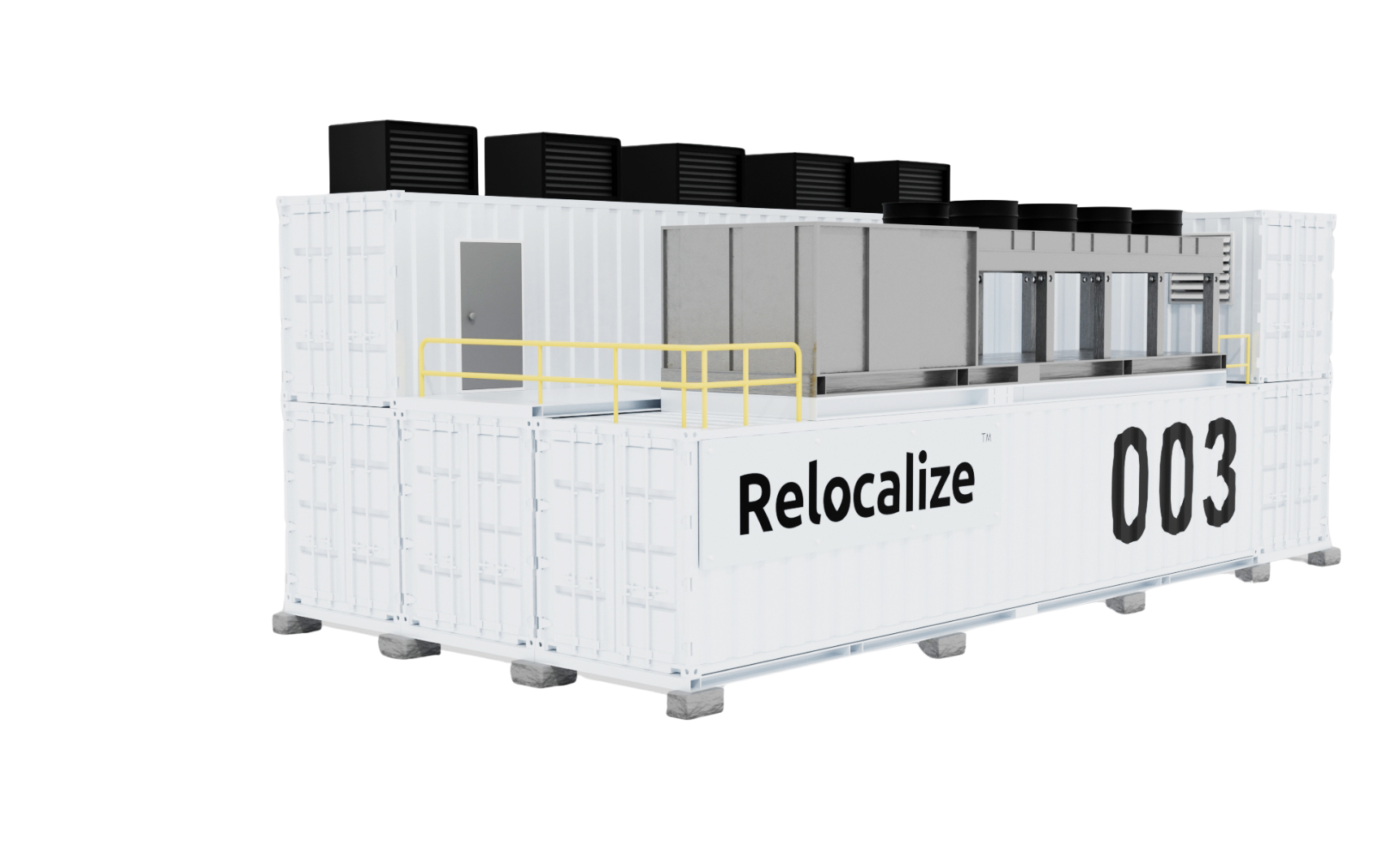
For qualifying high-volume operations, Relocalize can install a dedicated on-site cold-pack production system that produces, freezes and supplies ready-to-use packs at the fulfillment center. This can reduce long-distance transportation of finished frozen packs, transfers through multiple cold-storage facilities, buffer inventory and fulfillment-center freezer requirements.
Relocalize manages installation, monitoring, maintenance and production support through its autonomous micro-factory technology. Customers can access local production without purchasing and operating their own manufacturing line. Relocalize also offers customizable weights, dimensions, formats and private-label options.
Potential savings should be evaluated against the existing supplier distance, freight mode, storage network, energy use and order volume.
2. Right-Size the Complete Thermal System
The box, liner, refrigerant and payload interact. A thicker liner may reduce refrigerant requirements but increase material use and dimensions. A smaller box may reduce insulation area and empty space, but only if it can be packed consistently without restricting airflow or damaging the product.
Compare configurations using total packaging and refrigerant mass, external dimensions, thermal duration, assembly time and product-loss risk. The best option is the lowest-burden system that reliably meets the requirement—not necessarily the lightest component.
3. Reduce Material Before Substituting It
The EPA’s materials-management hierarchy places source reduction and reuse ahead of recycling and disposal. First ask whether the packout can use a smaller box, thinner liner, fewer components or less refrigerant without increasing risk.
Material substitution can still help, but paper, fiber, reusable containers and alternative films are not automatically lower carbon. Consider raw-material production, recycled content, transportation density, realistic reuse rates, contamination, customer behavior and local recovery infrastructure.
Use environmental language carefully. The U.S. Federal Trade Commission advises businesses to qualify recyclable claims when appropriate facilities are unavailable to at least 60% of the consumers or communities where a product is sold. Canada’s Competition Bureau also requires environmental claims to be truthful, not misleading and adequately supported. Review the FTC Green Guides and Canadian greenwashing guidance.
4. Optimize Refrigerant Mass, Format and Conditioning
Cold-pack dimensions affect contact area, packing density, freezing time and operator handling. More frozen mass may extend cooling, but it also adds freezing demand, storage volume and outbound weight.
Test different weights, shapes, quantities and positions with the actual payload. A summer configuration may be unnecessarily heavy for a winter lane.
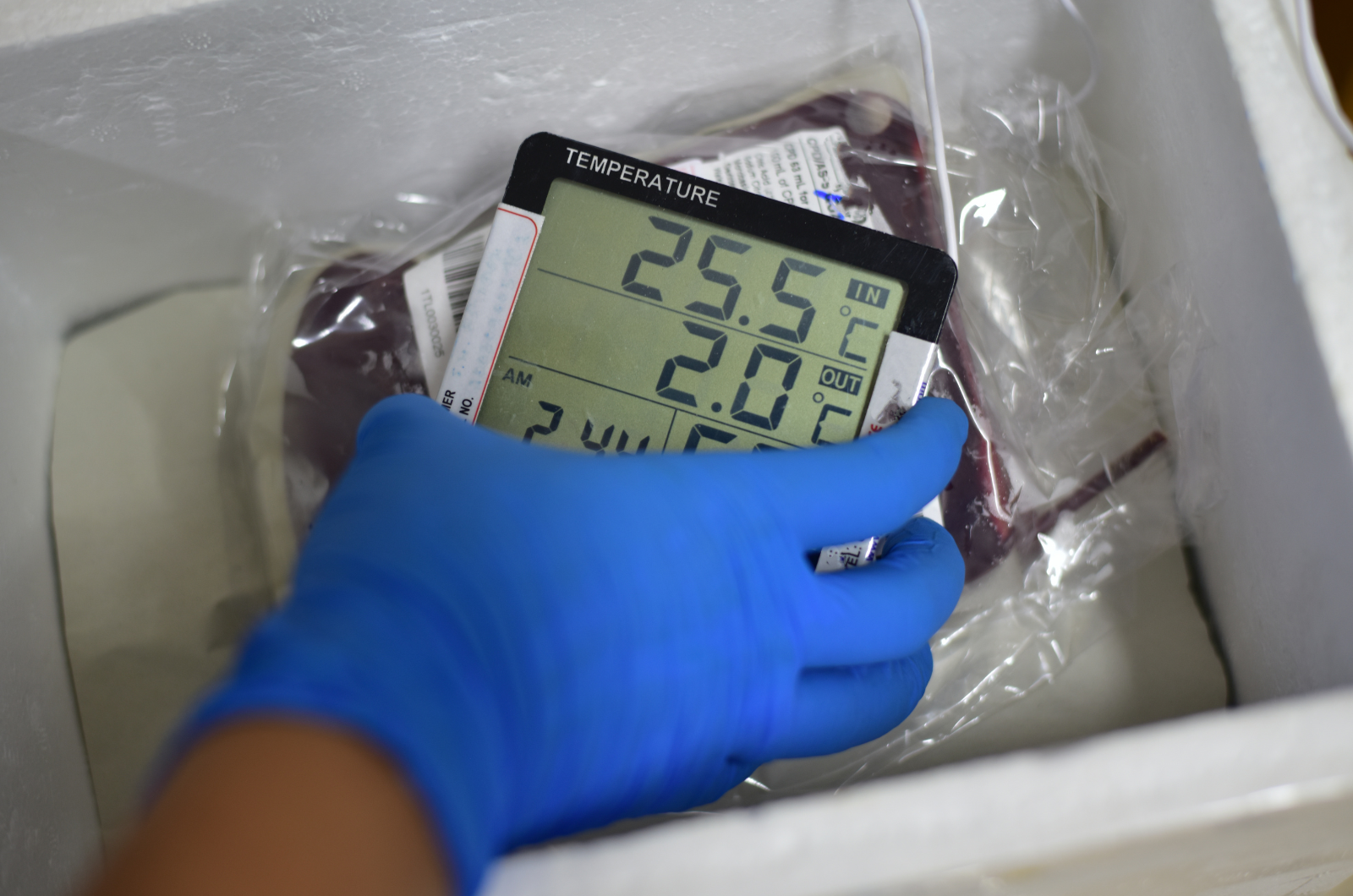
Conditioning matters too. Fully frozen, partially thawed and refrigerated packs behave differently. Direct contact with frozen packs can create localized freezing in temperature-sensitive products even when average package temperature appears acceptable.
WHO guidance for freeze-preventive vaccine carriers uses a barrier between the vaccine compartment and frozen water packs to prevent direct contact. The same thermal principle may be relevant to other freeze-sensitive products, although every packout must be evaluated for its intended application.
5. Design for Consistent Fulfillment
A technically efficient packout can fail if it is difficult to assemble at speed. Common problems include liners that are not fully closed, incorrect cold-pack quantities, inconsistent placement and packs warming during staging.
Use clear work instructions, visual diagrams, limited component choices and packaging that fits existing workstations. During trials, measure assembly time and error rates—not only thermal duration.
A slightly less optimized design assembled correctly every time may outperform a complex design that invites mistakes.
6. Use Seasonal and Payload-Specific Configurations
Using one worst-case packout year-round may create unnecessary material and refrigerant use. Summer and winter recipes, or configurations for different payload ranges, can reduce overpacking when each option has clear operational triggers.
ISTA Standard 7E provides heat and cold profiles developed from real parcel-shipping data. ASTM D3103 covers thermal performance testing under variable ambient conditions and recommends using the actual package whenever possible because payload and refrigerant characteristics affect performance.
Controlled testing should be complemented by operational trials that reflect real staging, handling, carrier delays and shipping lanes.
7. Measure Carbon per Successful Delivery
Do not compare packaging solely by material weight. A lighter packout is not necessarily better if it increases temperature excursions, damage, spoilage or reshipments.
A more useful functional unit is one order delivered within its required temperature and quality specifications.
When comparing packaging configurations, measure:
- Packaging inputs: Box, liner, film and refrigerant mass, along with recycled content and realistic disposal options
- Inbound supply: Supplier distance, freight mode, shipment density and delivery frequency
- Fulfillment operations: Freezing, frozen storage, staging, labor requirements and assembly errors
- Outbound shipment: Parcel dimensions, total weight and carrier service
- Product outcomes: Temperature excursions, damage, spoilage, customer claims and reshipments
- Operational variability: Seasonal temperatures, payload ranges, delays and different shipping lanes
These factors should be evaluated together. A packaging configuration that uses slightly more insulation, for example, may still produce a better overall result if it prevents product loss and reduces the need for replacement shipments.
Combine controlled thermal testing with an operational trial. Reassess the packout whenever the product, payload, packaging component, carrier service, fulfillment workflow or shipping lane changes.
Questions to Ask Packaging Suppliers
Before selecting a sustainable cold chain packaging solution, ask suppliers for:
- Material composition and component weights
- Manufacturing, filling and freezing locations
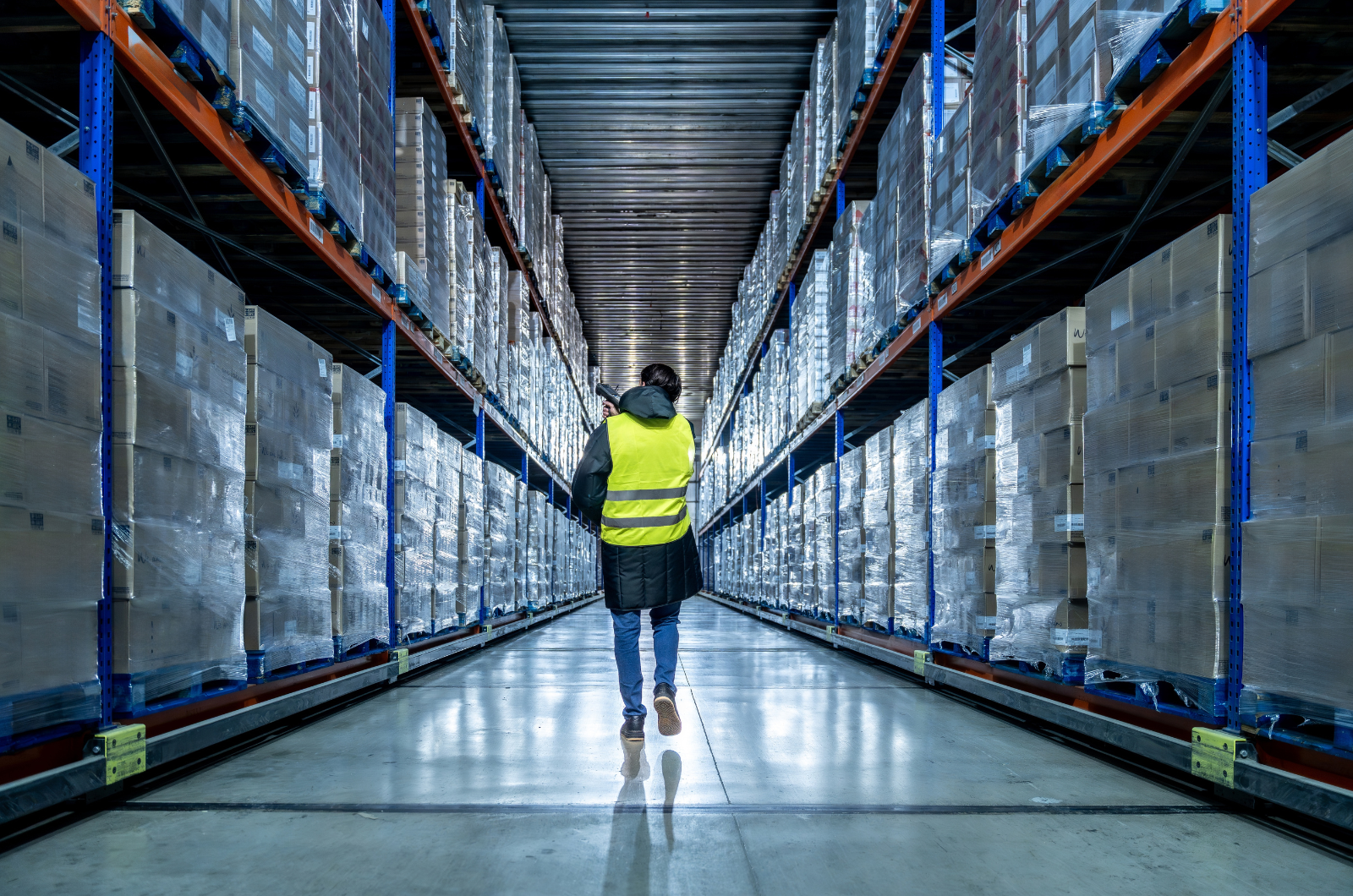
- Pallet configuration and inbound shipment density
- Disposal instructions for major customer regions
- Evidence supporting environmental claims
- Thermal test conditions and refrigerant-conditioning requirements
- Lead times, minimum orders and seasonal capacity
- Ambient and frozen-storage requirements
These questions help teams compare total landed impact instead of relying on one material label or environmental headline.
Reduce Packaging Emissions Without Compromising Performance
Understanding how to reduce carbon footprint of cold chain shipping packaging requires more than selecting products described as sustainable. Strong programs shorten packaging supply chains, transport materials efficiently, remove unnecessary components, optimize refrigerant mass, simplify fulfillment and prevent product loss.
Relocalize provides customizable water-based cold packs and works with a network of cold chain packaging partners to help customers explore suitable boxes, insulated liners and packout configurations. For qualifying high-volume operations, dedicated on-site production can supply frozen packs near the packing line, reducing dependence on distant suppliers, long lead times, buffer inventory and multiple cold-storage steps.
Explore Relocalize’s water-based cold packs, learn about on-site cold-pack production for perishable fulfillment, or contact Relocalize to discuss your volumes, facility and packaging objectives.
Every complete packaging configuration should be evaluated—and, where required, qualified—for the specific product, temperature range, shipment duration, seasonal profile, shipping lane and applicable food, pharmaceutical or quality requirements.